

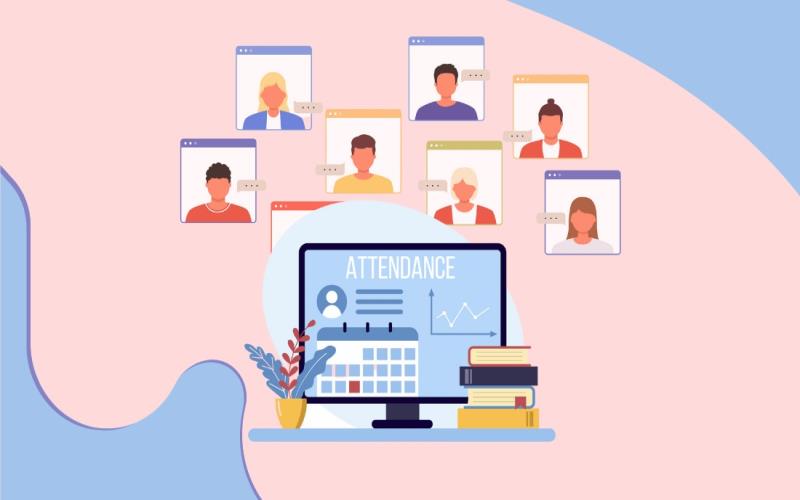
Introduction to Time and Attendance Management
In the contemporary business ecosystem, managing employee time and attendance is a critical component of a successful operational strategy. With workforce dynamics continually evolving, businesses are recognizing the need to adopt comprehensive systems that not only enhance productivity but also cater to the evolving needs of their employees. By implementing sophisticated time and attendance software in Canada, organizations can effectively tackle prevalent challenges such as tracking accuracy and overall workforce efficiency.
Time and attendance software in Canada helps businesses streamline employee scheduling, track work hours, and ensure accurate payroll processing. It automates timekeeping, reducing the risk of errors and compliance issues with Canadian labor laws. Many solutions also offer features like real-time reporting and integration with other HR systems to improve overall workforce management efficiency.
Employees represent the lifeblood of any organization, and managing their time efficiently can chart the course between success and stagnation. Beyond traditional time clock methodologies, modern systems encourage an environment where structured time management drives operational success, employee satisfaction, and retention.
The Importance of Effective Time Tracking
Accurate time tracking stands as a cornerstone in evaluating both individual and collective productivity within an organization. Precise measurement of employee work hours can reveal productivity patterns and inefficiencies, enabling management to implement corrective measures. According to findings from the Harvard Business Review, businesses that prioritize effective time management experience significant improvements in productivity and enhanced employee morale as they feel more valued and less micromanaged.
Common Challenges and Solutions
As businesses strive for precision in time tracking, they frequently confront issues such as absenteeism, time theft, and errors in manual calculations. These challenges, if left unaddressed, can erode trust and inflate payroll costs. Solutions can involve the adoption of digital timekeeping systems that offer real-time tracking and minimize manual input errors. Implementing these methods can be seen in various case studies where companies have observed a marked increase in efficiency post-adoption, illustrating the value of investing in structured time management solutions.
Leveraging Technology for Better Management
The digital revolution has introduced a vast array of technological tools designed to optimize time and attendance management. From biometric authentication systems to user-friendly mobile applications, these tools offer improved accuracy, greater flexibility, and ease of use. Businesses that incorporate technological solutions, such as cloud-based platforms and AI-driven analytics, position themselves at the forefront of efficiency. Insights from TechRepublic highlight how embracing these digital advancements can transform traditional time management methods into streamlined, automated processes that free up valuable human resources.
Best Practices for Employee Self-Management
Empowering employees to manage their own time fosters a culture of autonomy and accountability. Offering tools such as personalized time-tracking dashboards, regular performance feedback sessions, and training in effective time management techniques can help employees improve their productivity. Such empowerment not only boosts individual confidence and job satisfaction but also translates into tangible productivity gains for the organization as a whole. By encouraging self-management, employers can cultivate a motivated workforce aligned with the company’s goals.
Legal Considerations in Time Management
Navigating the legal landscape is critical when it comes to managing employee time. Organizations must stay informed and compliant with labor laws and regulations involving overtime pay, mandatory breaks, and accurate record-keeping. Not being able to comply with these legal standards can result in costly lawsuits and penalties. To safeguard against such risks, businesses should consult reliable resources, such as government websites or legal advisories, ensuring that their time management systems satisfy all regulatory requirements while protecting both employer and employee rights.
Benefits of Streamlined Time and Attendance Systems
A streamlined time and attendance system offers numerous benefits that extend beyond simple administrative convenience. By reducing the intricacies associated with manual time tracking, such systems help lower operational costs, enhance payroll accuracy, and improve compliance with employment laws. Additionally, these systems contribute to a better work environment by alleviating employee stress and enhancing job satisfaction. Reports from industry-specific journals frequently underscore how effective time management systems are crucial to fostering a positive company culture and boosting employee engagement.
Future Trends in Workforce Management
The future of workforce management is set to be transformed by innovations in artificial intelligence and automation technologies. These innovations promise to deliver unprecedented levels of accuracy, efficiency, and adaptability. Emerging trends indicate that such technologies will be pivotal in reshaping traditional business models, allowing for more personalized and predictive staff management. Insights from industry experts found on Forbes suggest that investing in these cutting-edge technologies will empower organizations to stay competitive, responsive, and prepared for future workforce challenges.
Conclusion
In conclusion, effective time and attendance management is essential for driving both operational success and employee satisfaction in today’s fast-paced business world. Organizations can overcome common challenges, streamline processes, and ensure legal compliance by leveraging advanced technologies, such as cloud-based platforms and AI-driven analytics. The future of workforce management will be largely driven by continued innovation, providing businesses with the tools necessary to improve productivity, enhance employee engagement, and stay competitive in an ever-evolving marketplace.

Comments are closed.